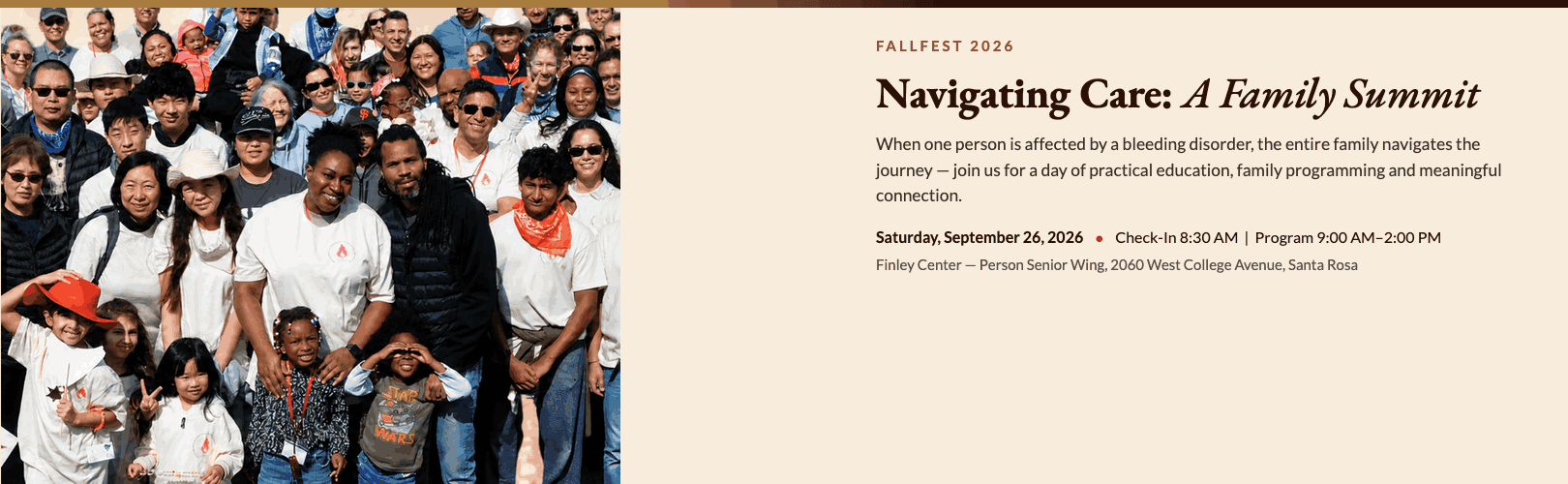
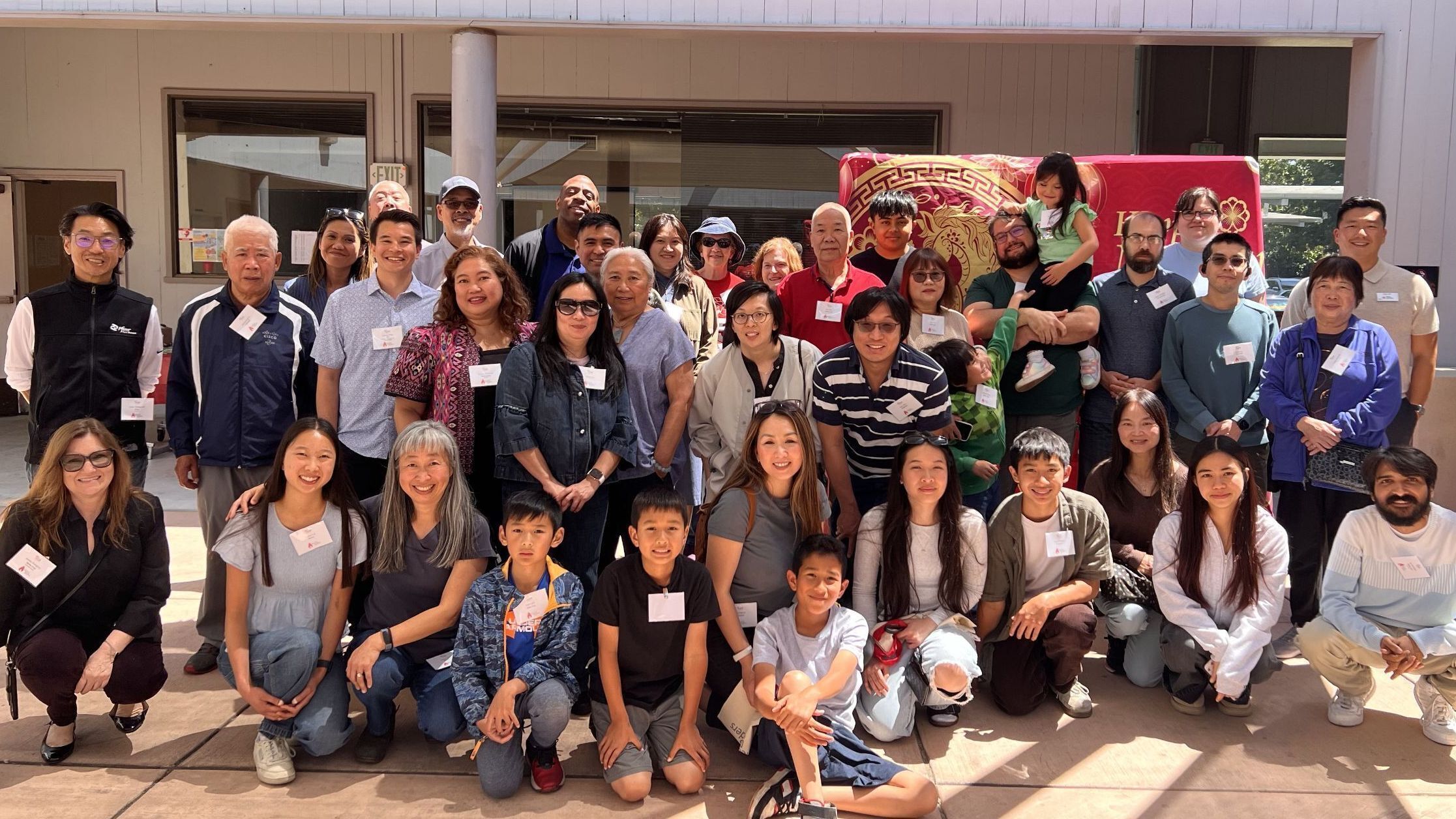
This year, the Foundation has been proud to complete many of the programs and deliverables we set out to provide for our community, including Family Camp, The Female Factor Retreat, SpringFest, Asian Pacific Infusion, Camp Hemotion, and many local educational events that brought people together from communities we want to reach, serve, and include.
But throughout every camp, retreat, festival, workshop, and gathering, the most important part of this work has never been the event itself.
The most important part is you.
Do you feel seen and heard? Do you feel supported in your journey with a bleeding disorder? Have we been there for you during moments of economic hardship, hospital stays, school challenges, family stress, or difficult situations involving public systems such as family court or other authorities?
These are the questions that guide our work.
As a Foundation, we are here not only to host programs, but to listen, connect, educate, advocate, and walk alongside individuals and families living with bleeding disorders. Your lived experience matters. Your access to care matters. Your questions matter. Your voice matters.
We also want to make sure you know what resources are available to you. Does your Hemophilia Treatment Center, or HTC, tell you about programs and services that may benefit you? Is your HTC accessible to you? Do you currently receive care through an HTC, or have you found care for your bleeding disorder somewhere else?
HTCs are designed to provide specialized, comprehensive care for people with bleeding disorders, often bringing together clinicians and support professionals who understand the complexity of these conditions. The CDC notes that hemophilia is a complex disorder, and that comprehensive HTC care can help people address issues related to the disorder. (CDC)
We also want our community to feel empowered to ask questions about health topics that may not always be discussed enough. For example, research has found that people with hemophilia A can be at risk for low bone mineral density, and researchers continue to study the role factor VIII may play in bone health. (NCBI)
Treatment is also changing quickly. Some people now use non-factor therapies, such as emicizumab-kxwh, or tissue factor pathway inhibitor, TFPI, antagonists such as concizumab-mtci or marstacimab-hncq. These therapies can be important parts of a treatment plan, but they do not replace the need to understand what to do during breakthrough bleeds, injuries, surgeries, or emergencies. Depending on your diagnosis, inhibitor status, and prescribed therapy, you may still need factor replacement or another hemostatic treatment available, and you or someone who cares for you may need to know how it is administered. Treatment planning should always be discussed with your hematology team. (FDA Access Data)
Reporting bleeds to your HTC can also support your care. Trained hematology clinicians may notice patterns, ask questions, and make recommendations that help you and your family better manage your bleeding disorder. These professionals are part of your team.
And remember you can ask questions. You can request more information. You can seek a second opinion.
Your care should not feel confusing, distant, or out of reach.
Beyond medical care, we also know that laws and policies can affect access to treatment, choice of product, insurance coverage, and the services our community depends on. Decisions made in Washington, D.C., and Sacramento can directly affect people living with bleeding disorders in California.
That is why advocacy matters. Organizations such as the Bleeding Disorders Council of California help educate lawmakers about who we are, what we need, and how policy decisions affect our daily lives. But they need community voices to make that message stronger.
As we look back on a year filled with programs, education, connection, and advocacy, we are grateful for every family, individual, volunteer, clinician, partner, and supporter who helped make this work possible.
Most of all, we are grateful for you.
We want you to feel seen. We want you to feel heard. We want you to feel connected to care, community, education, and advocacy.
Because the Foundation’s work is not just about completing deliverables.
It is about building a stronger, more informed, more supported bleeding disorders community — together.


